
-
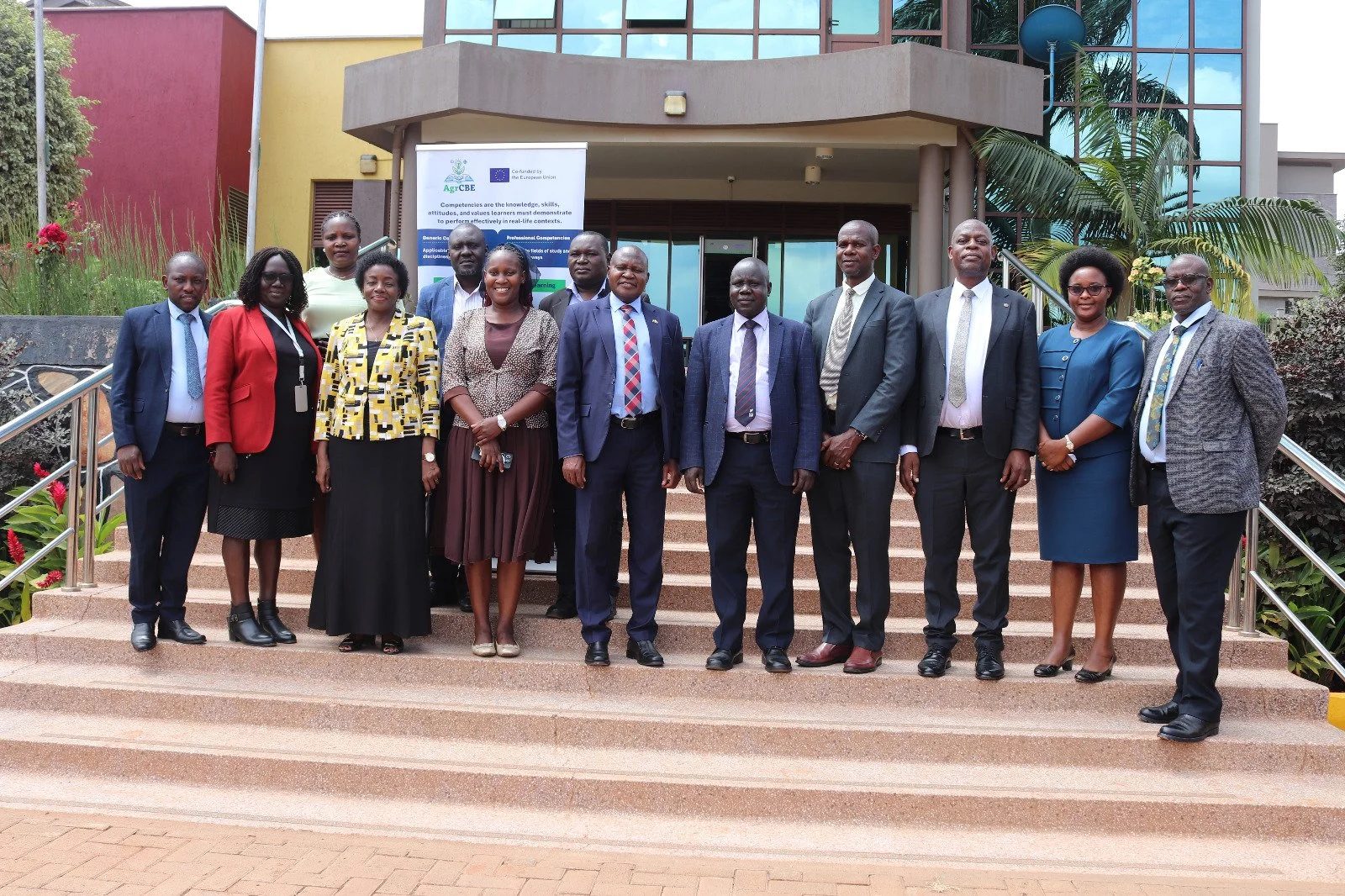
AgrCBE Project Discusses Progress, Calls for Strengthening with National Council for Higher Education (NCHE)
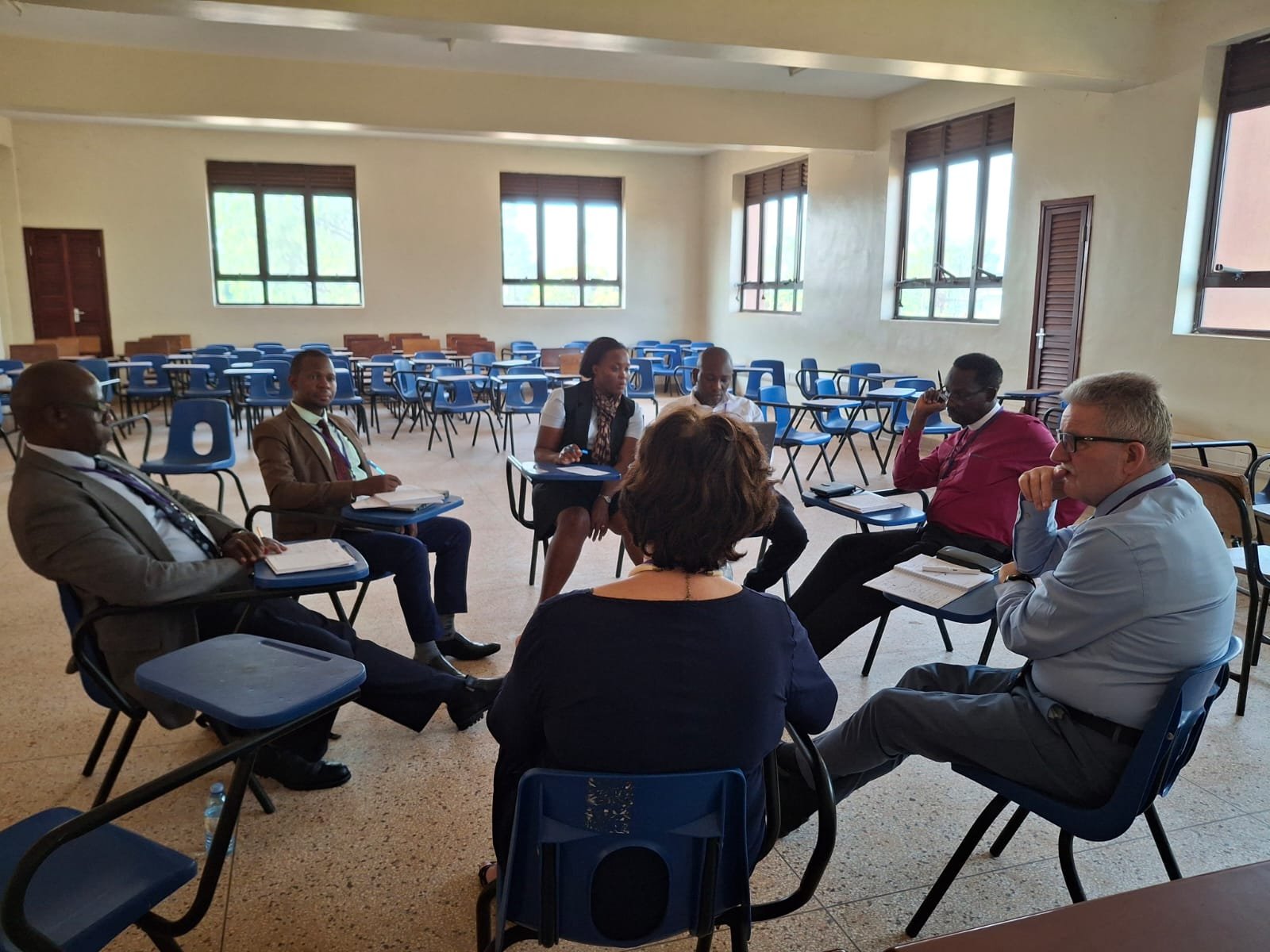
A team from the AgrCBE project consortium paid a courtesy visit to NCHE, one of the implementing partners, to discuss the project progress. Prof. Basil Mugonola of Gulu University called upon NCHE as the regulator to help in strengthening the project across all partners. He highlighted several milestones made so far including generic competencies developed.
The Director of Quality Assurance and Accreditation at NCHE, Dr. Vincent Ssembatya, shared that NCHE is currently looking at the taxonomy of disciplines and advised that AgrCBE remodels its milestones to be discipline specific.
Dr. Mulira concurred with him and further guided that the project considers conducting a situation analysis on agriculture, to get a good understanding of what needs to be plugged.
Dr. Godfrey Omoda-Onyait, the local coordinator for AgrCBE - NCHE, observed that there is need to study NDP IV which clearly outlines the human resource gap in the country, for a better appreciation of the project. He advised that the project needs to tease out the necessary field-specific competencies.
The Assistant Commissioner in charge of University Education and Training in Uganda’s Ministry of Education and Sports, John Ochira Pakony, advised that more Ministries, Departments and Agencies of government such as the Ministry of Finance and Parliament of Uganda need to be brought on board.
He further shared that the draft National Higher Education policy awaits ministerial approval. The policy will streamline the regulation of higher education in the country.
The courtesy call closed with a tag line in relation to CBET, “Training with products in hand,” coined by Dr. Ssembatya.
This report was written by Dr. Godfrey Onyait
-
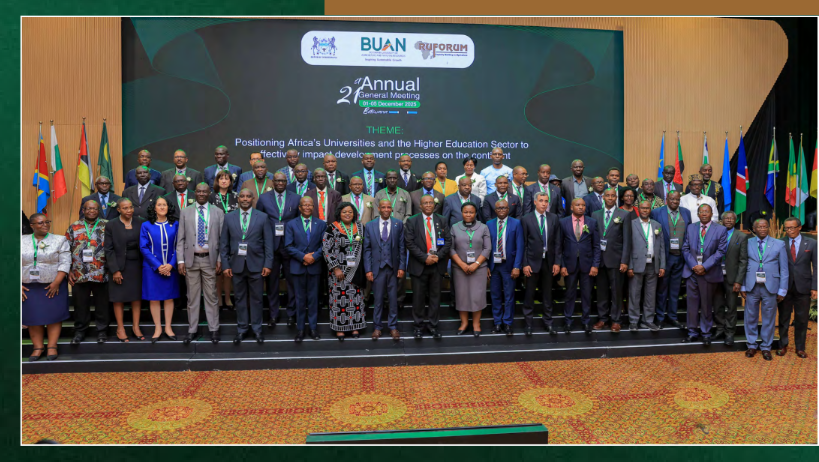
Transforming Learning in Africa: The RUFORUM AGM and AgrCBE’s Driving Role
The 21st RUFORUM Annual General Meeting (AGM), held in Gaborone, Botswana, December 2025, brought together over 1,100 participants from 50 countries to reimagine the role of African universities in shaping the continent’s development future. Leaders from government, academia, and industry emphasized a shared commitment: Africa needs university systems that produce skilled, innovative, and employable graduates who can respond to the continent’s emerging challenges and opportunities.
The efforts of AgrCBE and RUFORUM mark a powerful shift toward competence‑driven education systems that equip Africa’s youth with the skills to build resilient communities and thriving economies.
Connecting the AGM Priorities with AgrCBE’s Purpose
1. Transforming Education for the Future Workforce
AgrCBE directly supports this shift by developing CBE tools, training educators as master trainers, and strengthening the capacity of higher education regulators to oversee and sustain the new approach.
2. Strengthening Governance and Quality in Higher Education
AgrCBE contributes to this agenda by equipping National Higher Education Councils in Kenya and Uganda with the tools needed to manage and quality‑assure Competence‑Based Education. The RUFORUM Network provides a platform for sharing the wins and gains coming from this initiative.
3. Building a Collaborative Ecosystem for Innovation
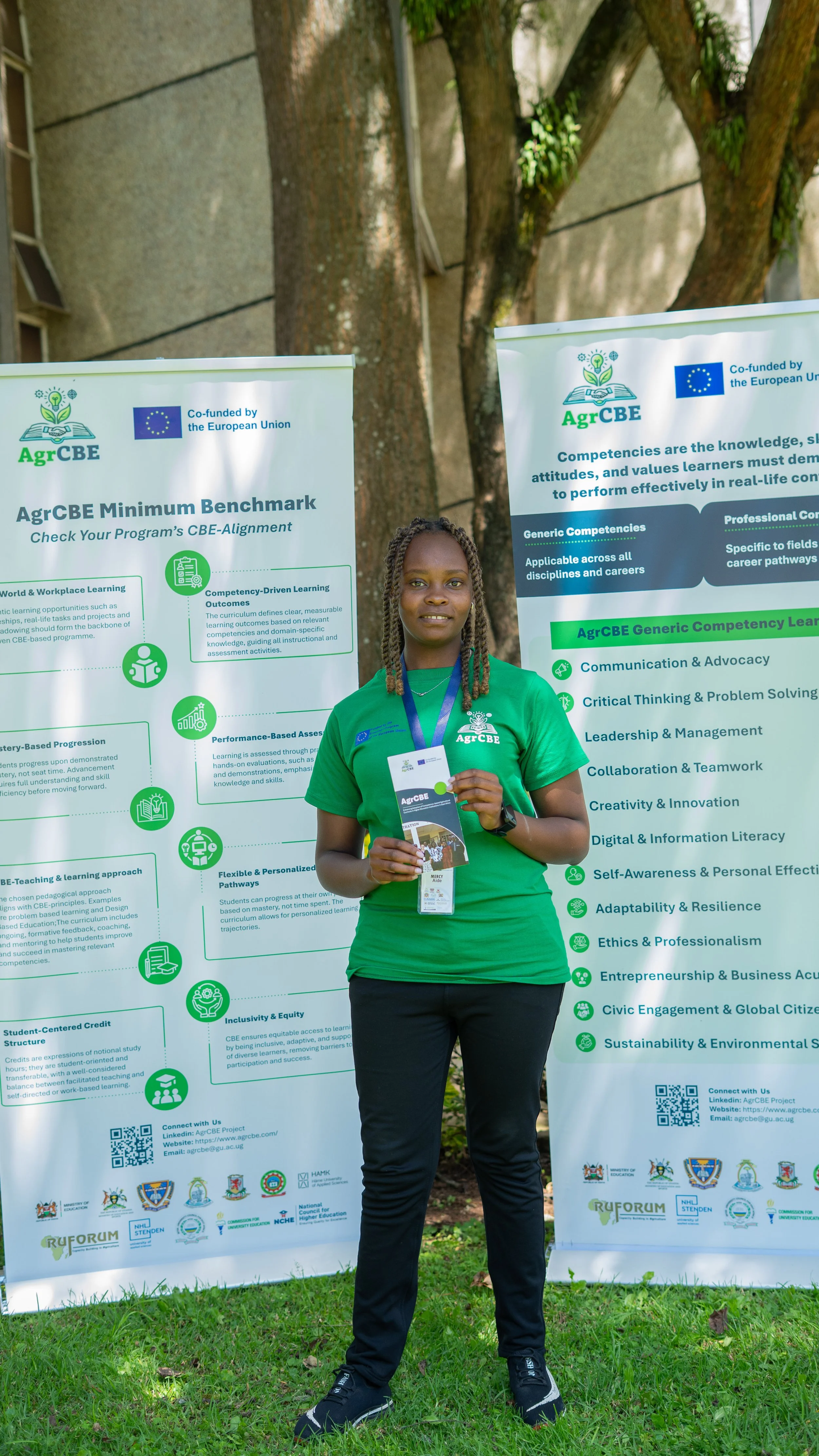
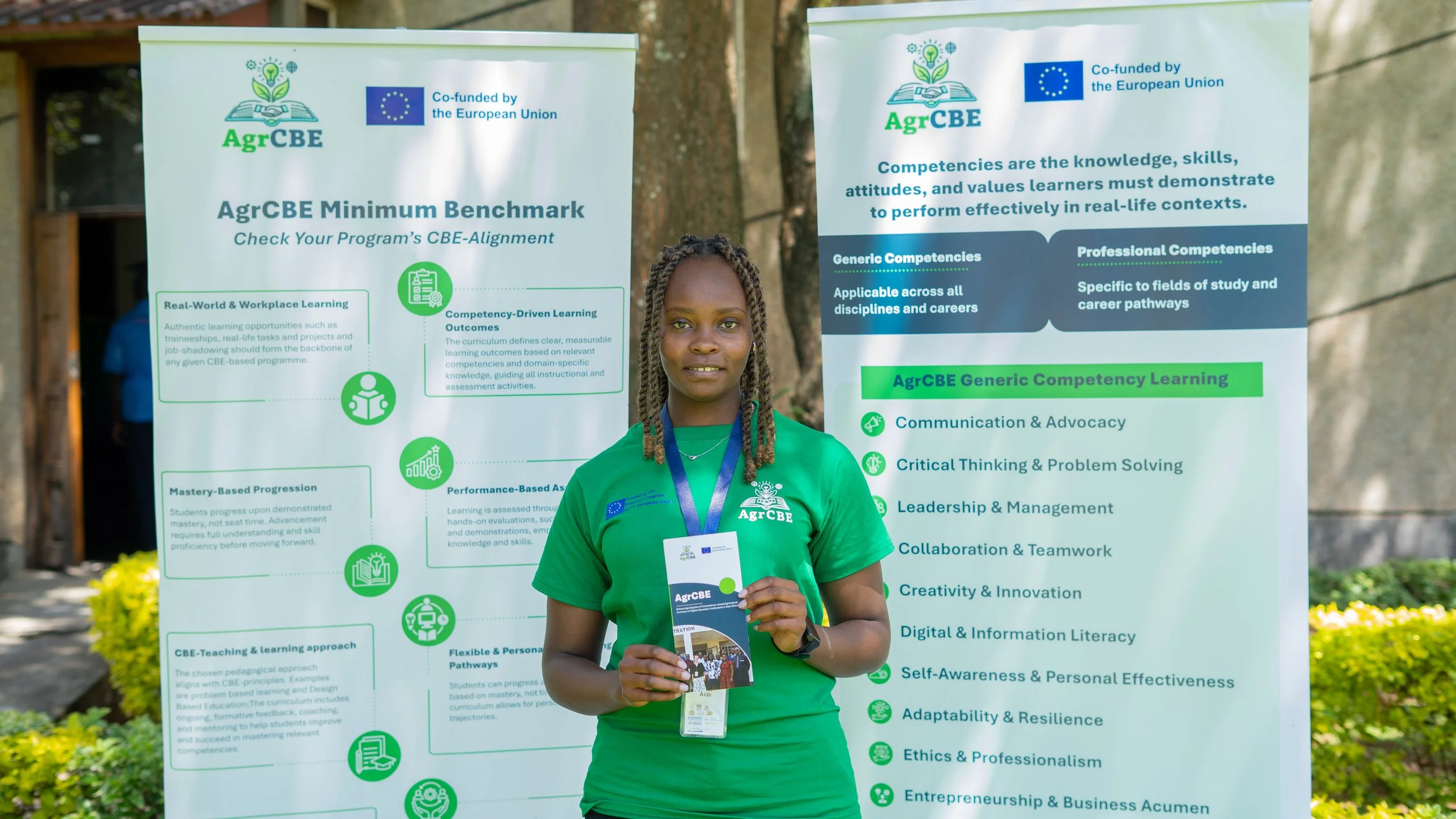
AgrCBE in collaboration with RUFORUM also jointly hosted a Competence‑Based Assessment webinar, helping demystify CBE for educators and offering practical tools for course assessment and curriculum alignment. The tools are publicly available for wider access through the project website.
4. Preparing Institutions for the First CBE Cohorts
AgrCBE ensures that universities, regulators, and educators have the resources, training, and frameworks needed to smoothly transition to this new educational model. Both the RUFORUM AGM and the AgrCBE Project emphasize a common vision:
-A practical, inclusive, and transformative education.
-Curricula that prepare graduates for real‑world problem‑solving.
-Strong industry and policy partnerships.
-Universities that drive innovation, food security, and economic growth.
-Governance systems that ensure quality, relevance, and sustainability.
https://www.ruforum.org/21st-ruforum-agm
This report was written by Jennifer Ohemeng/ Häme University of applied Sciences.
-
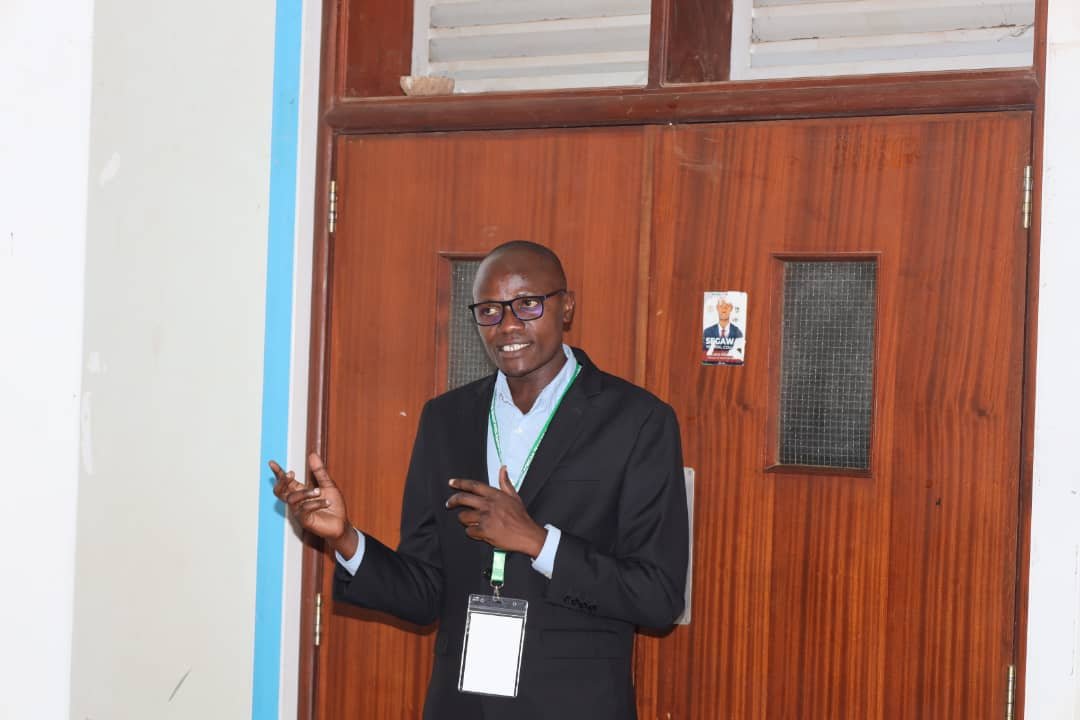
AgrCBE presents at the 3rd East African Teacher Education Symposium (EATES)
Title of the Abstract presented “Decolonization of agricultural education in East Africa’s universities: Early and projected outcomes of AgrCBE project as a path to Competency-based learning.”
List of contributors: Joseph Gichini Gatama, Jennifer Ohemeng, John Atwine, Godfrey Omoda-Onyaiti, Junior Senyonga Kasima[1] and Basil Mugonola
The symposium brought together teacher educators from East and West Africa. Although the symposium targeted teacher educators, the AgrCBE concept was notably selected (and the only one in the field of Agriculture) as it aimed to address a topic of increasing importance (adoption of Competency-based Agricultural Curricular in East Africa’s Higher Education Institutions). Our abstract was rightly aligned with the symposium theme: “Curriculum Development and Decolonization of Education in East Africa” Within East Africa, Competency-based curricula (CBC) are mainly being implemented up to the secondary level.
The CBC-trained students will soon join university, yet university staff are not well equipped with the necessary competences to implement CBC. This was the focus of the presentation.
The symposium was attended by over 50 participants and 11 participants attended the AgrCBE presentation, mainly staff of Makerere University and a representative from National Curriculum Development Centre (the body which is behind the secondary school CBC).
This report was written by Junior Senyonga Kasima who presented at the event on behalf of the project.
-
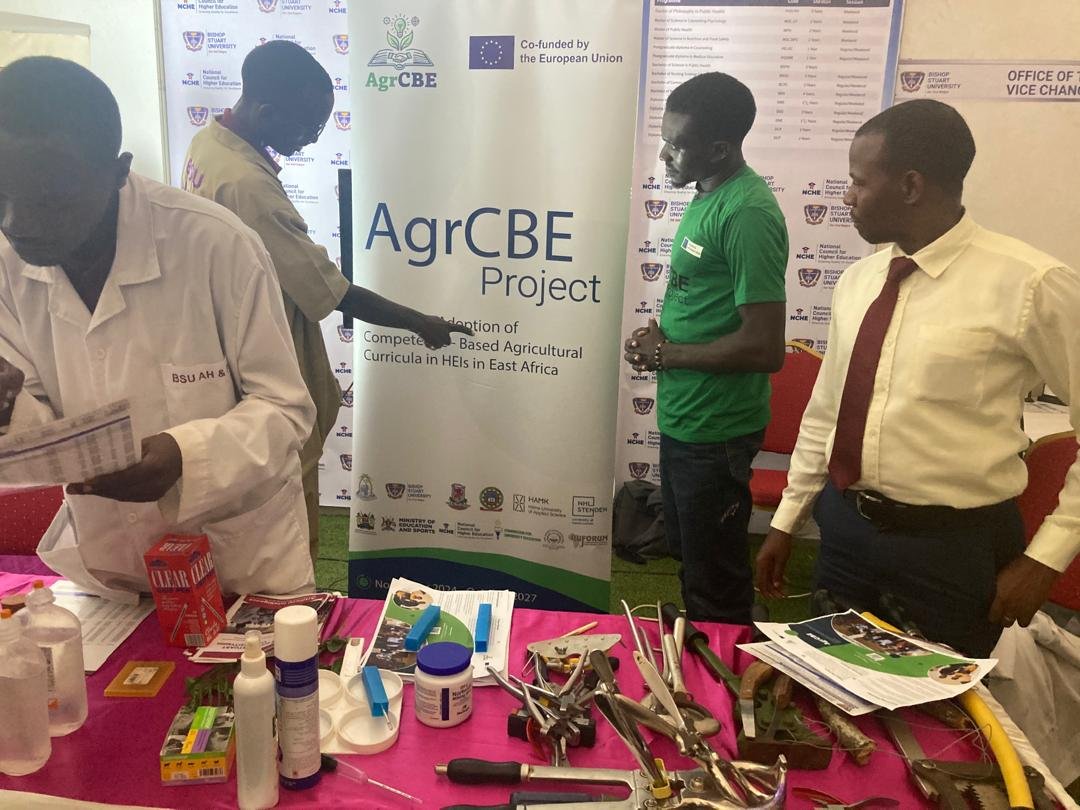
BSU Project Communication Team at the 15th National Council for Higher Education Exhibition
The AgrCBE team from Bishop Stuart University actively participated in the 15th NCHE Exhibition, 27th-29th, March 2025 at KAMUKUZI GROUNDS MBARARA DISTRICT. The communication focused on fostering graduate employability and developing competences among staff in HEIs. The objective was to network with stakeholders in academia, government, and industry and enhance the visibility of BSU and promote AgrCBE related objectives and related work.
Outcomes
As a result of the teams participation there, is enhanced public awareness of AgrCBE-BSU’s offerings and impact.
Strengthened partnerships with government agencies, private sector players, and other academic institutions.
Positive feedback from NCHE officials and attendees regarding the relevance and timeliness of the project.
The AgrCBE BSU team’s participation in the NCHE Exhibition was a success, fulfilling its objectives & demonstrating BSU’s commitment to AgrCBE initiatives. The event provided a platform to highlight AgrCBE support on enhancing adoption of competence based agricultural curricula in HEIs in East Africa.
Report: Bishop Stuart University (BSU)
-
Strong Demand for Competence-Based Education Reflected in Higher-Than-Expected Registration Numbers in first AgrCBE training
The insights gained from the first registration round of project training organized has is out. We're excited to share some fresh insights into the relevance of the need for competency-based education training gleaned from our latest data supported by data from the successful campaign for registration to the first training dubbed Formulating Professional and Competence Profiles for Competence Based Education (CBE) Curricula. There was a total of 229 people who registered to participate, more than doubling the target of 100 set initially.
-

Project Launch meeting held at Gulu University, the Coordinating Institution
The AgrCBE consortia members convened for the first face to face meeting for the official kick off event between 11th-16th January 2025 in Gulu, Uganda. In attendance were representatives from the Egerton University, Jomo Kenyatta University of Agriculture and Natural resources.
The main objective for the gathering was to help partners get to know each other to establish a stronger collaborative relationship. Additionally, it was an opportunity to build a shared understanding of the vision and long term and objectives.
The overall aim of the project is the strengthen the partner country education governance authorities’ capacity to support competence-based, work relevant and inclusive higher education for societal and environmental development.
In the end, the consortium partner committed to be the pathfinders and pace setters in this unfamiliar territory of competence based education.
-

AgrCBE presents in the Jomo Kenyatta University and Kenya Chemical Society Global Women Breakfast
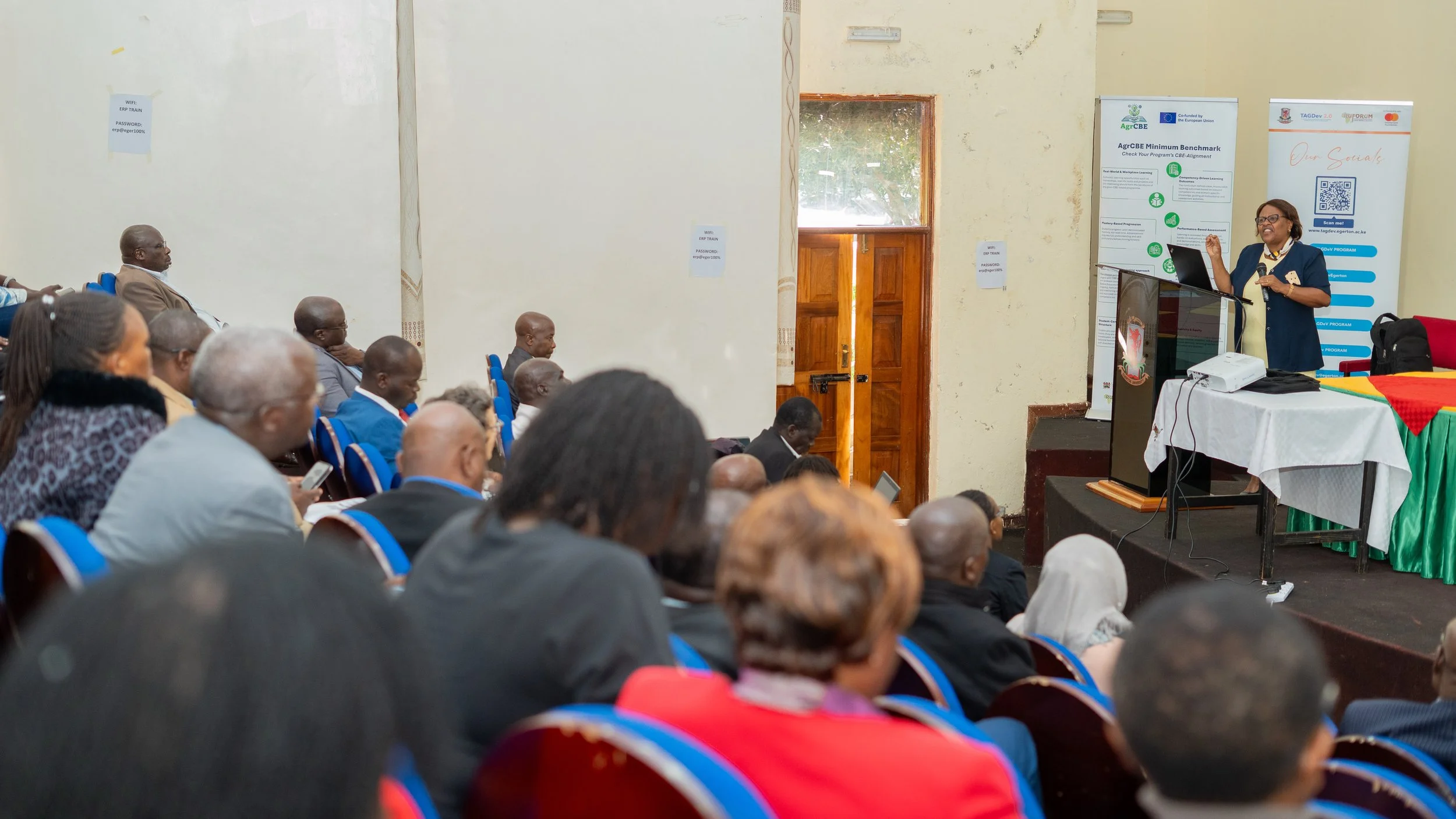
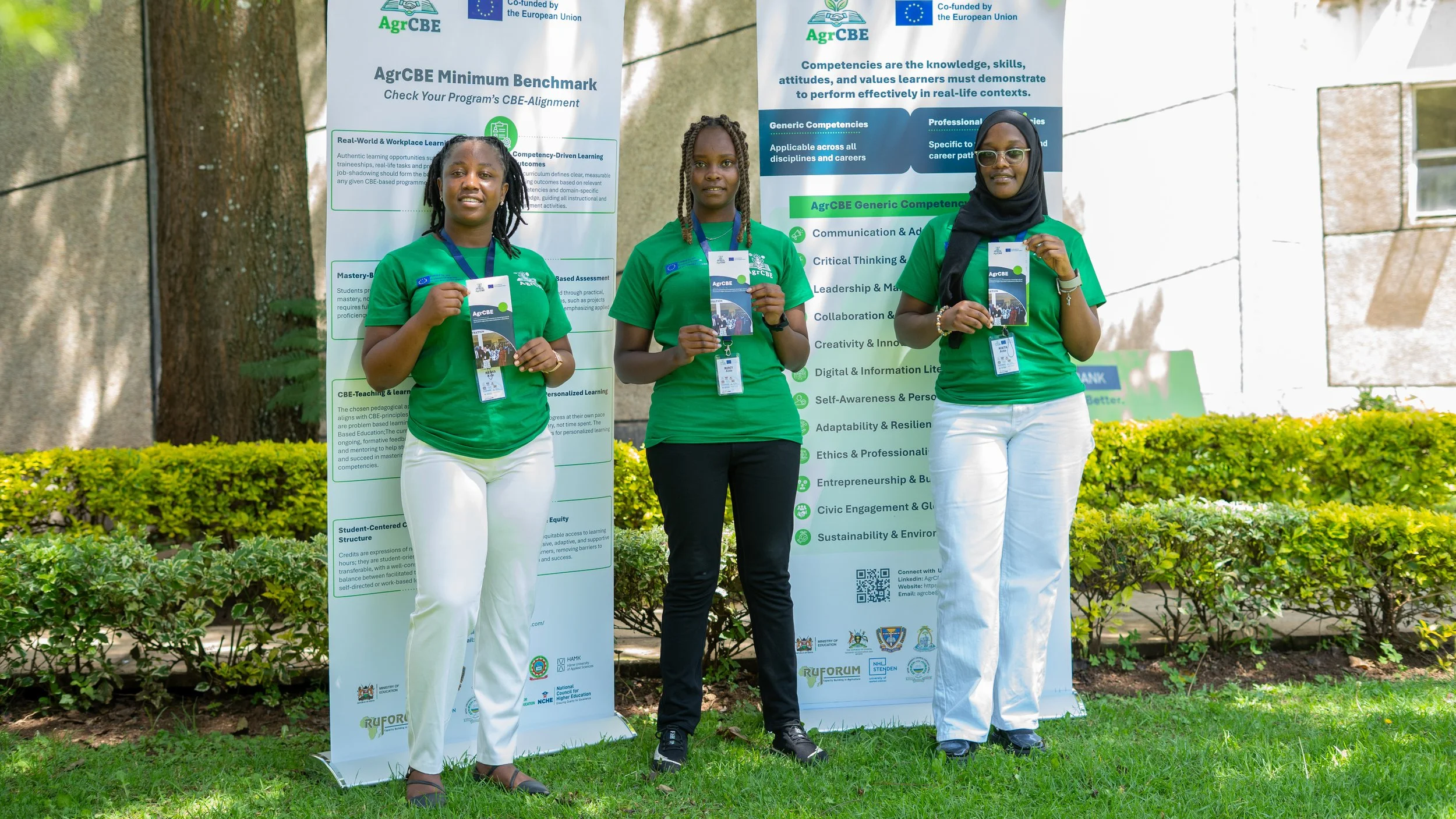
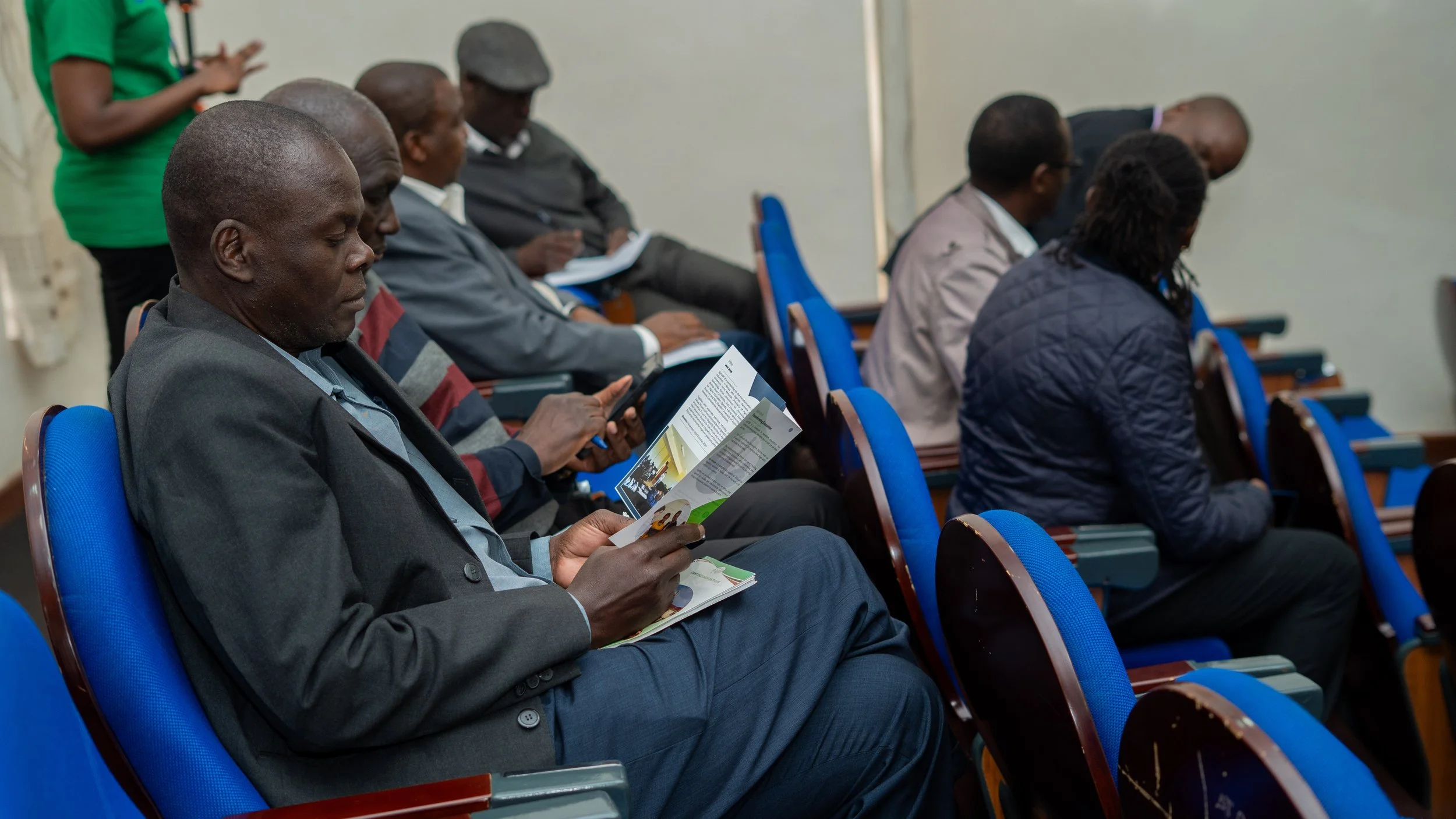
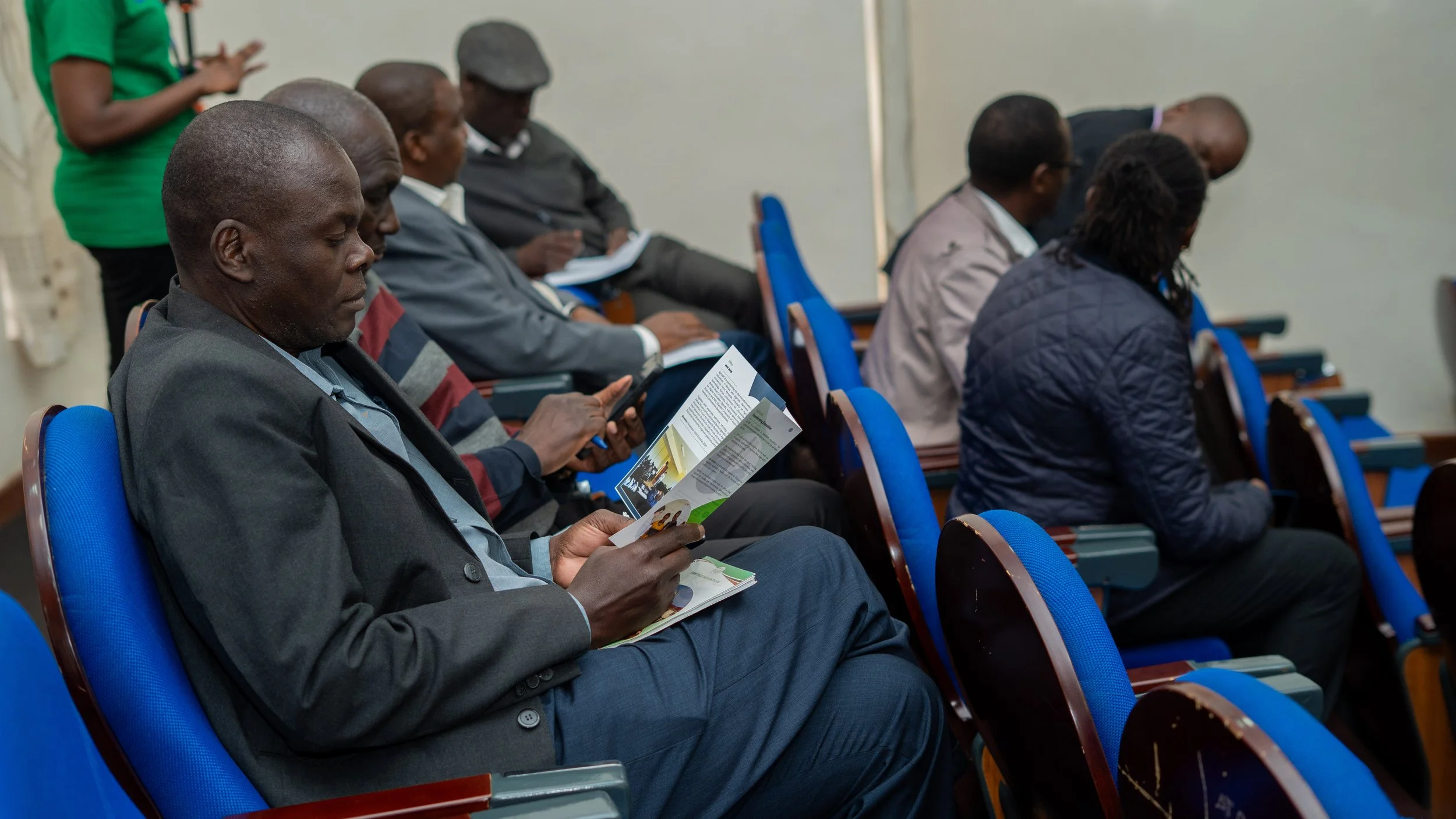
The event convened women in science from diverse backgrounds to foster leadership skills, build a robust global network and catalyze new research collaborations under the theme of unified scientific progress. Held on 10th of February 2026 at IPIC conference hall in Jomo Kenyatta University of Agriculture and Technology. The key highlights were that as women we need to network, collaborate and mentor the upcoming women to take up STEM subjects and that we (women) are the key drivers in CBE in as much as we have different voices, we are speaking the same science. The audience was interested in the project presentation about Women role in CBE and this shows that they are willing to learn to be ready for the 2029 cohort of learners. The event was a good opportunity to create awareness for the project resources (i.e. learn the basic mastery of CBE, generic and professional profile formulation and CBE assessment, available on the project website). The team also highlighted upcoming trainings and invited members to join when it begins.
Event attendees: Dr. Catherine Ngamau-JKUAT, Dr. Mercy Kidaha-JKUAT, Mr. Alfrick Makori-JKUAT




Funded by the European Union. Views and opinions expressed are however those of the author(s) only and do not necessarily reflect those of the European Union or the European Education and Culture Executive Agency (EACEA). Neither the European Union nor EACEA can be held responsible for them.
